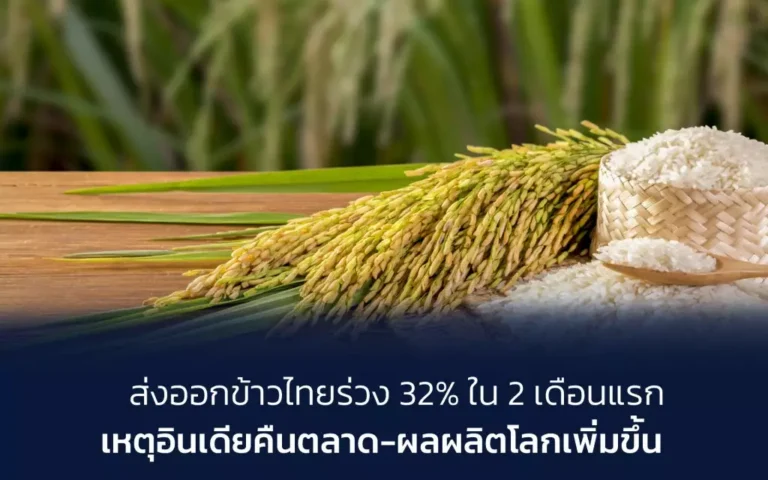
Thai rice exports are facing a tough battle! The Thai Rice Exporters Association revealed that in the first two months of this year, Thailand's rice exports fell by 32%, especially white rice, which plunged by 54%, as India resumed exports after a two-year hiatus, coupled with a significant increase in global rice production, with global rice stocks rising by 10 million tons, or 532 million tons worldwide, while Thailand still targets this year's exports at 7.5 million tons.

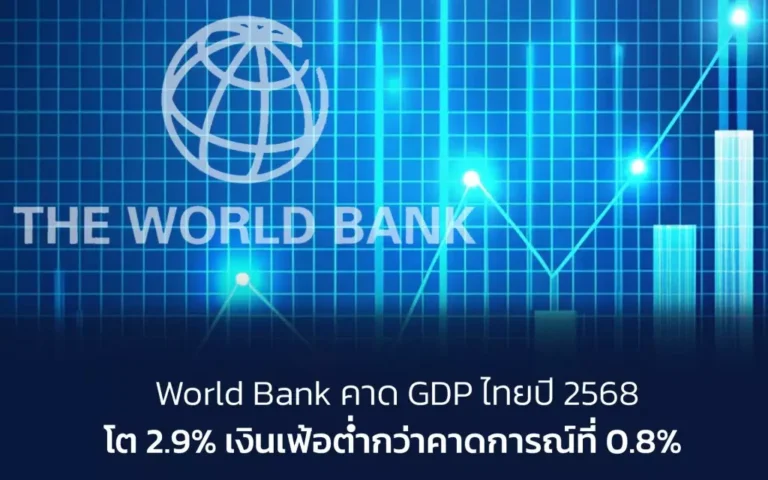
The World Bank projects that the Thai economy will grow by 2.9% in 2025, up from 2.6% in 2024, supported by public and private investment, as well as a recovery in the tourism sector, which is expected to return to pre-COVID-19 levels by mid-year. However, high household debt and sluggish investment recovery remain risk factors for the country's long-term growth.

The Thai economy is expected to continue to recover after facing the impact of the COVID-19 pandemic, expanding by 1.6% in 2023.

The Thai government is pushing forward with a comprehensive entertainment venue project, which has attracted interest from six global giants.

The Office of the Consumer Protection Board (OCPB) said that exports continued to expand, with November up 8.2%.

2025 poses a major challenge for Thai exports as two major risk factors, the new trade war and geopolitical conflicts, are set to impact the global economy and the sector.

China dominates durian imports, Thai private sector must control quality to maintain market

Mr. Sanan Angubolkul, Chairman of the Thai Chamber of Commerce and Chairman of the Joint Standing Committee on Commerce, Industry, and Banking (JSCCIB), revealed that the JSCCIB has revised its GDP growth forecast for 2024 up to 2.6-2.8% from the previous estimate of 2.2-2.7%, with the main driver coming from export growth, which has benefited from the electronics sector’s upcycle, resulting in exports likely to expand by 2.5-2.9%.

Investment from BRICS member countries will help increase Thailand's role in the international trade arena with its neutral and open economic stance.

Thai exports are facing significant challenges in a climate of increasingly competitive trade, particularly as most industries are severely disrupted.